
Understanding the YouTube Music 7.29.52 arm64-v8a Build for Android Devices

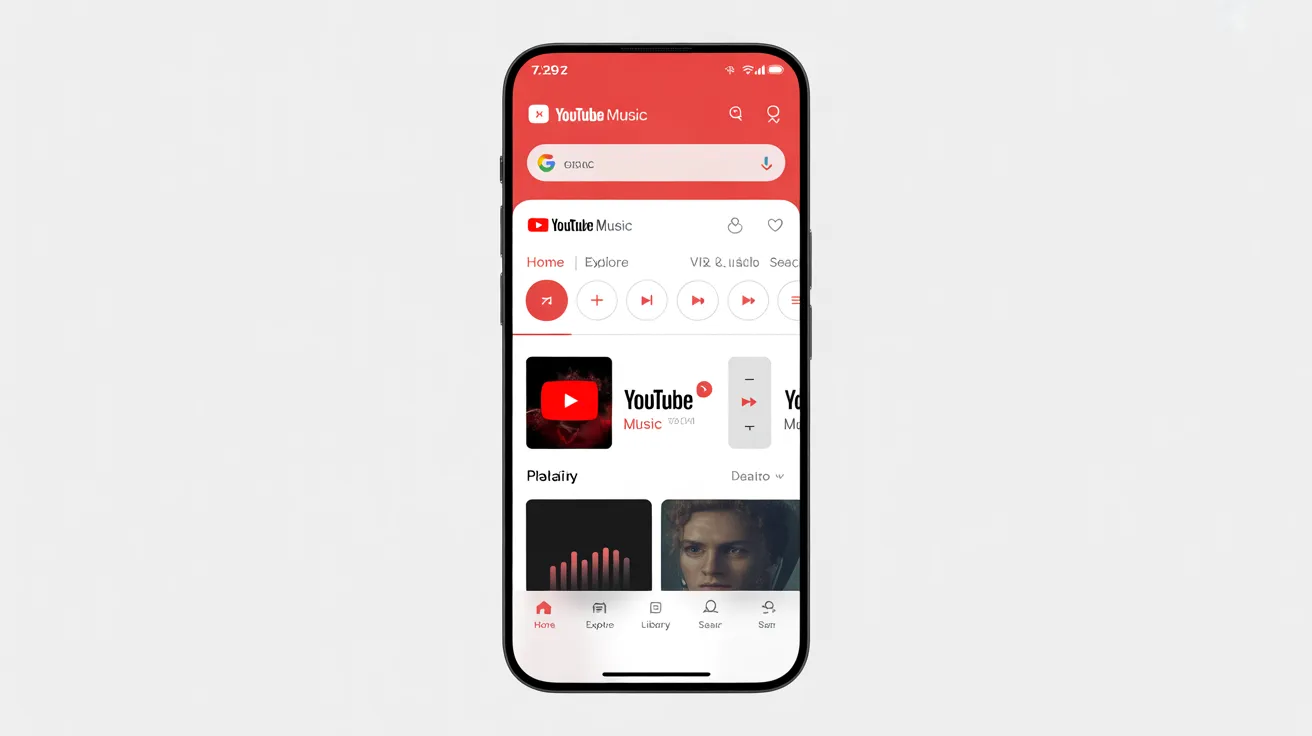
Searchers often reach this exact package name after facing update errors or device compatibility warnings. The Play Store may delay rollout in some regions. Certain handsets run custom firmware. Others block updates after storage resets. These scenarios drive demand for precise version awareness rather than guesswork.
The string com.google.android.apps.youtube.music apk version 7.29.52 arm64-v8a points to a specific Android package compiled for 64 bit ARM processors. It reflects an internal build path. That path helps the operating system verify architecture alignment. It also defines library support and feature flags tied to device hardware.
Understanding this version at a technical level helps avoid instability. Incorrect architecture pairing leads to crashes or install failures. Mismatched signatures break app verification. Version clarity ensures smoother playback performance and stable library indexing across Android devices that support arm64 instruction sets.
Package Identity and Application Architecture
The application identifier com.google.android.apps.youtube.music marks the official YouTube Music client for Android. Android systems use this identifier as a primary key. It binds permissions and local storage directories to the installed package. Each update keeps that identity intact while replacing compiled code.
Version 7.29.52 reflects a snapshot of feature deployment and backend compatibility. Google uses staged rollouts. Each version may include server toggles tied to experiments. Arm64-v8a indicates compiled native libraries designed for 64 bit ARM processors. Most modern Android phones use this architecture.
A build compiled for arm64 can leverage wider registers and improved memory addressing. Audio decoding tasks benefit from these optimizations. Background buffering improves stability during long listening sessions. High resolution audio streaming gains minor efficiency improvements on supported hardware.
Versioning Signals and Update Cadence
Application version numbers track release cycles and backend schema alignment. Minor increments may deliver bug fixes or playback optimizations. Larger jumps may alter user interface layouts or audio processing routines. Each build must align with server side APIs.
Version 7.29.52 likely sits within a broader feature rollout. Google often tests playback algorithms and recommendation logic in batches. Regional availability may vary. Some devices receive updates earlier through staged deployment.
Users seeking this exact version often aim to match device compatibility or restore a previous state after a faulty update. Version pinning helps maintain consistent playback behavior when later builds introduce experimental changes.
ARM64-v8a Architecture Relevance
Arm64-v8a refers to the 64 bit ARM architecture used by most modern Android processors. Snapdragon and Exynos chipsets support this architecture. It enables apps to use expanded memory space. Performance gains appear in multimedia decoding and streaming tasks.
Native libraries compiled for arm64 may not run on older 32 bit devices. Android enforces architecture compatibility during installation. Attempting to install an arm64 build on a 32 bit processor results in immediate rejection by the system package manager.
Devices with arm64 support benefit from improved app responsiveness. Audio streaming tasks rely on efficient buffering. Playlist management and offline caching rely on stable memory handling. Arm64 builds optimize these operations.
Security and Signature Integrity
Every Android application carries a digital signature. The signature confirms the developer identity. It ensures that updates come from the same source. Installing a version with a mismatched signature triggers a verification error. The system prevents installation to protect user data.
The official YouTube Music client uses Google’s signing certificate. Any legitimate update must match that signature. Tampered packages break signature validation. Android blocks them during installation. This mechanism preserves account security and subscription data.
Users exploring specific versions often seek stability rather than modification. Maintaining signature integrity protects login credentials and stored playlists. Version verification through the system settings panel confirms package authenticity.
Permissions and Local Storage Handling
YouTube Music requires network access for streaming and account sync. It may request storage access for offline downloads. These permissions attach to the package identity. Version changes rarely alter permission sets unless new features require expanded access.
Local storage directories store cached audio segments. They also store user preferences. When upgrading between versions the app migrates this data. Architecture changes rarely affect stored data when package identity remains consistent.
Security practices emphasize avoiding unknown sources. Android settings allow manual installation of packages. Users must enable this feature intentionally. Once installed the system treats the app as a standard package. Signature validation remains active.
Playback Performance and Audio Engine Behavior
Version 7.29.52 likely integrates incremental playback optimizations. Audio streaming apps rely on adaptive bitrate logic. Network fluctuations require rapid buffer adjustments. Each version may refine these algorithms to reduce playback interruption.
Arm64 builds support efficient audio decoding. The CPU can process compressed audio streams with lower overhead. This reduces battery drain during long listening sessions. High bitrate streams remain stable when memory handling is optimized.
Users may notice smoother transitions between tracks. Background playback remains active during multitasking. Notifications and playback controls stay responsive. Version consistency supports predictable performance across supported devices.
Offline Mode and Cache Management
Offline playback relies on encrypted cache files. The app stores downloaded tracks in a protected directory. Each version must maintain compatibility with stored encryption keys. Updating across versions preserves offline libraries when package identity stays intact.
Cache cleanup routines may change between builds. Version updates sometimes refine how expired downloads are removed. Storage efficiency improves when cleanup logic becomes more precise. Users with limited storage benefit from optimized cache handling.
Reinstalling a specific version may require re syncing offline libraries. Account login triggers license verification. Once verified the app restores access to downloaded content when server checks succeed.
User Interface Changes and Feature Flags
YouTube Music evolves through gradual interface updates. Some builds introduce layout adjustments or experimental playback controls. Feature flags enable or disable these changes on Google’s servers. Version 7.29.52 may include hidden toggles tied to user cohorts.
Interface responsiveness depends on device performance. Arm64 builds support smoother animation rendering. Album art loading and playlist navigation benefit from optimized memory allocation. Visual elements remain fluid during heavy library browsing.
Experimental features may include new recommendation layouts or playlist sorting options. These appear for some users while others see stable interfaces. Version awareness helps explain why two devices display different layouts despite similar hardware.
Compatibility Matrix and Device Considerations
Android devices vary widely in hardware and firmware. Some use stock Android builds. Others run manufacturer overlays. Compatibility depends on API level and processor architecture. Version 7.29.52 arm64-v8a targets modern devices with 64 bit processors.
Older devices may fail installation due to API level requirements. Android enforces minimum SDK versions defined in the package manifest. Devices running outdated system software cannot run newer builds. Users may seek earlier versions for compatibility.
Custom ROM environments present additional variables. Modified system libraries can conflict with official app builds. Version matching helps reduce conflicts. Stable builds remain preferable for devices running alternative firmware.
Version Lifecycle and Update Strategy
Application versions move through testing and deployment cycles. Internal testing precedes public rollout. Beta channels receive early builds. Stable channels receive refined releases after testing. Version 7.29.52 likely represents a stable release for a defined period.
Automatic updates replace older builds when available. Some users disable auto updates to maintain consistency. This helps preserve performance when newer versions introduce interface changes. Manual version tracking ensures controlled upgrades.
Version lifecycle awareness helps users manage storage and performance. Large updates may alter caching behavior. Incremental updates may refine playback logic. Tracking version numbers helps identify when performance changes occur.
Technical Data Overview
| Attribute | Detail | Relevance | Impact | Notes |
|---|---|---|---|---|
| Package Name | com.google.android.apps.youtube.music | Identity | Core binding | Defines permissions |
| Version Code | 7.29.52 | Release marker | Update tracking | Matches backend schema |
| Architecture | arm64-v8a | Hardware match | Performance | 64 bit processors |
| Signing Key | Google certificate | Security | Integrity | Prevents tampering |
| Minimum SDK | Modern Android API | Compatibility | Installation | Device dependent |
| Cache System | Encrypted storage | Offline mode | Data safety | Preserves downloads |
Stability Considerations and Troubleshooting Context
App stability depends on device firmware and network reliability. Version mismatches may cause playback glitches. Clearing cache often resolves minor issues. Reinstalling the same version restores default configuration.
Background data restrictions may interrupt streaming. Android battery optimization settings can suspend background playback. Version awareness helps identify whether issues stem from system restrictions or app changes.
Device storage limits affect offline playback. When storage approaches capacity the app may purge old cache entries. Monitoring available space helps maintain consistent playback behavior across sessions.
FAQ Section
What does arm64-v8a mean in this YouTube Music package name?
Arm64-v8a identifies the processor architecture targeted by the build. It signals that the compiled libraries support 64 bit ARM processors. Most modern Android devices fall into this category. Installation fails on devices that only support 32 bit architectures.
This label helps the Android package manager confirm compatibility. It prevents installation on unsupported hardware. Users benefit from improved performance when architecture alignment exists between device and application.
Why search for a specific version like 7.29.52?
Version specificity helps maintain consistent playback behavior. Some updates introduce interface changes or performance shifts. Users who prefer a stable experience may seek a known build. Matching a version across devices ensures consistent feature sets.
Technical troubleshooting often requires version matching. Identifying a stable release helps isolate issues tied to later updates. Version clarity aids in diagnosing playback anomalies or login errors.
Does installing a specific version affect playlists or subscriptions?
Playlists and subscriptions link to the Google account rather than the app version. Reinstalling the same package identity preserves account data once login occurs. Offline downloads may require re verification after reinstalling.
Data stored on servers remains intact. Local preferences may reset during installation. Logging in restores personalized recommendations and saved libraries once synchronization completes.
Can older devices run version 7.29.52?
Device compatibility depends on processor architecture and Android API level. Devices without arm64 support cannot install this build. Older Android versions may lack required system libraries. Installation fails when system requirements remain unmet.
Users with older hardware may need earlier builds that match device specifications. Matching architecture and API level remains crucial for successful installation.
Is performance different on arm64 builds compared to 32 bit builds?
Arm64 builds often provide smoother performance. The architecture supports improved memory handling. Audio decoding tasks run more efficiently. Battery consumption may improve during extended playback sessions.
Visual transitions and library browsing benefit from optimized processing. The difference may appear subtle on high end devices. Entry level hardware often shows clearer performance gains with arm64 optimized builds.
What causes installation errors for this package?
Common causes include signature mismatch or architecture incompatibility. Attempting to install over a modified package triggers verification errors. Device storage limits may also block installation. Clearing space and verifying architecture resolves many issues.
Android system settings may block installation from unknown sources. Enabling installation permission allows manual installation. The system still verifies digital signatures before accepting the package.
Closing Reflection on Version Awareness and Stability
Precise version knowledge empowers users who rely on stable playback and consistent interface behavior. Understanding architecture alignment reduces installation errors. Recognizing package identity preserves data integrity across updates. Version 7.29.52 arm64-v8a represents a defined snapshot within the ongoing evolution of YouTube Music. Matching device specifications with this build ensures smoother performance and predictable functionality across supported Android hardware.


